
It’s one of the most common questions we hear at Knox Details: “How long does PPF last?”
The short answer is that high-quality paint protection film typically lasts between 5 and 10 years and, in many cases, even longer. But the real answer depends on a handful of factors that are largely within your control.
Paint protection film isn’t a “set it and forget it” product. The film on your hood is quietly absorbing rock chips on I-40, baking under the East Tennessee sun, and fighting off the pollen that seems to coat everything from March through June. Some of those factors wear the film down faster. Others can help it outlast the warranty.
Below, we’ll walk through the seven biggest factors that determine how long your PPF will actually last and what you can do to get the most out of your investment.
What’s the Typical Lifespan of Paint Protection Film?
Most premium paint protection films carry a manufacturer’s warranty of 5–10 years, and many films will perform well beyond that window with proper care. XPEL ULTIMATE PLUS, the film we install exclusively at Knox Details, is backed by a 10-year warranty covering yellowing, cracking, and peeling.
That said, a warranty is a floor, not a ceiling. We’ve seen XPEL installations on client vehicles here in Knoxville that still look fantastic seven or eight years later. We’ve also seen budget films from other shops start to yellow and lift in under two years.
The difference always comes back to the same set of variables: the film itself, the installation, and how the vehicle is cared for afterward.
1. Film Quality and Brand
Not all paint protection films are created equal. The market ranges from entry-level films with basic urethane construction to advanced products like XPEL ULTIMATE PLUS that feature self-healing top coats, superior optical clarity, and resistance to yellowing over time.
Lower-cost films often lack UV inhibitors and use adhesive formulations that break down faster, leading to edge lift, discoloration, and a cloudy appearance within a couple of years. Premium films invest in the chemistry that keeps the product performing for the long haul.
This is one of the reasons Knox Details exclusively installs XPEL products. As a 5-time XPEL Dealer of the Year, we’ve seen firsthand how film quality separates a five-year product from a ten-year product. If you want to dig deeper into what makes XPEL stand apart, our breakdown of the best paint protection film options covers the details.
2. Installation Quality
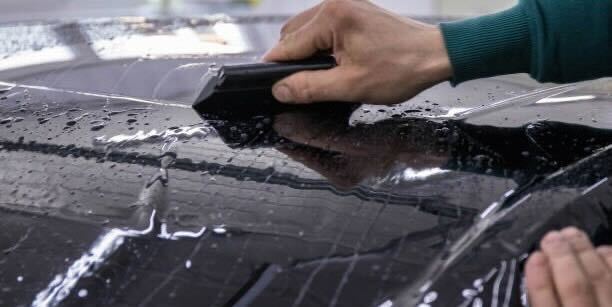
Film quality matters, but even the best film won’t hold up if it’s installed poorly. Installation quality is arguably the single most important factor in PPF longevity. A proper installation requires a controlled environment (temperature, humidity, and dust all affect adhesion), precision-cut patterns from calibrated plotters, and experienced hands who understand how the film wraps around complex body lines without stretching or trapping debris beneath it.
When film is installed incorrectly, whether it’s stretched too thin, contaminated with dust beneath the surface, or not properly sealed at the edges, you’ll see problems show up early: lifting edges, bubbles, or premature peeling. These issues don’t just look bad; they create entry points for moisture and contaminants that accelerate degradation.
At Knox Details, every installation is performed by full-time, XPEL-certified technicians in a climate-controlled facility. Our patterns are cut in-house using XPEL’s DAP (Design Access Program) software, ensuring precise fit from the start.
3. Professional Installation vs. DIY
We get it, there are PPF kits available online, and the idea of saving money with a weekend project is appealing. But there’s a meaningful gap between a professional installation and a DIY attempt, and that gap shows up in how long the film lasts.
DIY installations are prone to trapped air bubbles, uneven stretching, contamination under the film, and poor edge sealing, all of which shorten the film’s functional life. Even if the film looks acceptable on day one, the lack of proper surface preparation and controlled conditions often leads to problems within months.
Professional installation ensures the paint surface is properly decontaminated, the film is applied in a clean environment, and edges are sealed to resist lifting. That foundation is what allows the film to perform at its full potential for years. If you’re weighing the two options, our guide on whether PPF is worth the investment walks through the value proposition.
4. UV Exposure and Climate
Ultraviolet radiation is one of the primary factors that degrade your paint protection film over time. UV breaks down the polymers in the urethane, which is what eventually causes yellowing and brittleness in lower-quality films.
Here in East Tennessee, we get a healthy dose of sun, especially during the long summer months, when temperatures push into the 90s and UV index readings frequently climb to “very high.” Vehicles parked outdoors without shade or garage access will degrade film faster than garaged vehicles, full stop.
Premium films like XPEL ULTIMATE PLUS are formulated with advanced UV inhibitors specifically designed to resist this kind of breakdown. It’s one of the key differences between films that hold up over a decade and films that start looking tired after a few years.
5. Driving Conditions and Road Hazards
The whole point of PPF is to absorb impact so your paint doesn’t have to. But the amount of impact your film absorbs directly affects its lifespan. If you’re regularly driving I-40 or I-75 through Knoxville, your film is taking hits from highway debris every day. Mountain roads through the Smokies kick up gravel, especially on secondary routes and construction zones. Even normal surface streets deliver their share of hazards, loose chip-seal, kicked-up pebbles from the vehicle ahead, and the occasional stray branch.
The more abuse your film takes, the shorter its cosmetic lifespan. A vehicle driven primarily on highways and mountain roads will typically show more wear than one that mostly handles city driving and stays garaged. That doesn’t mean the film fails sooner, it just means the surface may show more evidence of doing its job.
6. Maintenance and Washing Habits
How you care for your PPF after installation plays a bigger role in longevity than most people realize. Regular washing removes contaminants such as tree sap, bird droppings, bug splatter, pollen, and road grime before they have a chance to etch into the film’s surface. In East Tennessee, the spring pollen season alone can leave a thick layer of organic material that, left unchecked, bonds to the top coat and dulls its appearance.
A few maintenance habits that extend PPF life: wash your vehicle every two weeks (more often during pollen season or after long highway drives), avoid automated car washes with abrasive brushes, use pH-neutral soaps designed for coated or filmed surfaces, and dry with clean microfiber towels to prevent water spotting.
For an extra layer of maintenance-friendly protection, many of our clients opt to have a ceramic coating applied over their PPF. A ceramic coating creates a hydrophobic surface that makes washing easier, reduces contaminant bonding, and adds UV resistance, all of which help the underlying film last longer.
7. Coverage Area and Film Thickness
Where the film is installed on your vehicle and how thick it is also affects how long it performs. High-impact zones like the front bumper, hood, and fenders take the brunt of road debris. Film in these areas will naturally show more wear over time compared to protected but lower-impact areas like rocker panels or door edges. That’s expected, and by design, the film is sacrificing itself to keep your paint intact.
Film thickness plays a role, too. Standard films run around 8 mils thick, while thicker options like XPEL ULTIMATE PLUS 10 provide over 30% more cushion. The added thickness provides more material between road debris and your paint, resulting in longer-lasting protection in high-impact areas. You can explore the full range of options on our paint protection film service page.
How to Tell When Your PPF Needs Attention
Even a well-maintained film will eventually show signs of aging. Here’s what to watch for:
Yellowing or discoloration, especially on lighter-colored vehicles, is one of the first visible signs. Edge lifting, where the film starts to pull away from body lines, creates entry points for moisture and dirt. Hazing or loss of clarity reduces the film’s invisibility and can make your paint look dull. And cracking or brittleness, particularly in areas of high UV exposure, indicates the film’s polymers have degraded past their useful life.
If you’re noticing any of these signs, it doesn’t necessarily mean a full replacement is needed. In some cases, replacing film on just the highest-impact panels gives the vehicle a fresh start while keeping costs manageable.
How to Maximize the Life of Your Paint Protection Film
Getting the most out of your PPF comes down to three things: starting with a quality film, having it installed by experienced professionals, and following a basic care routine afterward. Choose a premium film with proven UV resistance and a comprehensive warranty.
Have it installed by certified technicians in a controlled environment. Wash regularly with the right products. Garage your vehicle when possible. And consider adding a ceramic coating on top for an extra layer of defense. When those elements come together, there’s no reason your PPF shouldn’t deliver a full decade of protection or more.
Not Sure Where Your Film Stands? We’ll Take a Look.
Whether you’re considering PPF for the first time or you’ve had film on your vehicle for a few years and want a professional set of eyes on it, Knox Details is here to help. As a 5-time XPEL Dealer of the Year, our team can assess the condition of your film, recommend next steps, and ensure your vehicle’s paint stays protected for the long haul. Schedule a consultation or give us a call, we’re always happy to talk PPF.

- Mercedes Paint Protection Film in Knoxville: Why Knox Details Is the Right Choice - April 1, 2026
- How Long Does PPF Last? 7 Factors That Cause Paint Protection Film to Wear Out - February 24, 2026
- Protecting Your Car in Alcoa, TN: What to Know About PPF, Window Tinting & Ceramic Coatings - February 12, 2026